
A toaster is a convenient kitchen appliance for preparing breakfast, quick snacks and light meals. However, if you notice a burnt smell every time you use it, the odour can make your kitchen uncomfortable and affect your cooking experience. In many cases, the smell comes from bread crumbs, leftover food particles or residue that has accumulated inside the toaster over time. If the appliance is not cleaned regularly, these particles can heat up repeatedly and produce an unpleasant smell.
Understanding how to clean toaster appliances properly can help prevent the build-up of crumbs and keep your kitchen routine more hygienic. Regular cleaning also allows you to identify visible damage or unusual signs before they become a bigger concern. However, a burnt smell does not always mean that the toaster simply needs cleaning. Persistent odours, smoke, sparks or the smell of burning plastic may indicate an electrical or mechanical problem that requires professional attention.
Why Does Your Toaster Smell Burnt?
A burnt smell usually develops when food particles or residue inside the toaster are exposed to repeated heating. Identifying the cause can help you decide whether a routine cleaning is enough or if the appliance needs to be inspected.
1. Accumulated Bread Crumbs
Bread crumbs naturally fall into the toaster during everyday use. Some remain on the crumb tray, while smaller particles may collect in accessible areas around the heating elements. When these crumbs are heated repeatedly, they can darken and produce a burnt smell. Emptying the crumb tray regularly is one of the simplest ways to reduce this problem.
2. Overtoasted Bread
Using a high browning setting can cause bread to become excessively dark or charred. Small pieces of overtoasted bread may also break off and remain inside the appliance. These particles can burn during subsequent cycles, making the smell noticeable even when you are toasting a fresh slice.
3. Food Residue Inside the Toaster
Certain foods can leave residue that becomes difficult to remove once heated. Crumbs from sweet bread, pastries and other foods may caramelise or burn when exposed to high temperatures. Avoid placing foods with loose toppings, dripping fillings or melted ingredients directly into a standard pop-up toaster unless the manufacturer specifically allows it.
4. Infrequent Cleaning
A toaster that is used daily can accumulate crumbs faster than expected. If the crumb tray is not emptied and the appliance is not cleaned according to its instructions, residue can build up over time. Regular toaster maintenance helps prevent this accumulation and makes cleaning easier.
5. Electrical or Mechanical Problems
Sometimes, the smell may not come from food residue. A burning-plastic or chemical-like odour, visible sparks, unusual smoke or excessive heat can indicate a potential fault. In these situations, switch off and unplug the toaster if it is safe to do so, and stop using it. Do not attempt to repair internal electrical components yourself. Contact an authorised service professional for inspection.
How to Clean Toaster Inside Safely
Before learning how to clean toaster inside, it is important to understand that a toaster contains electrical components and heating elements that can be damaged by water, sharp tools or rough handling. Always check the manufacturer’s instructions before cleaning, and never begin while the appliance is connected to a power source.
Step 1: Unplug the Toaster and Let It Cool
Switch off the toaster, unplug it from the electrical socket and allow it to cool completely. The heating elements can remain hot for some time after use, so avoid touching the inside immediately after toasting. Place the cool appliance on a stable, dry surface where you can clean it comfortably.
Step 2: Remove and Empty the Crumb Tray
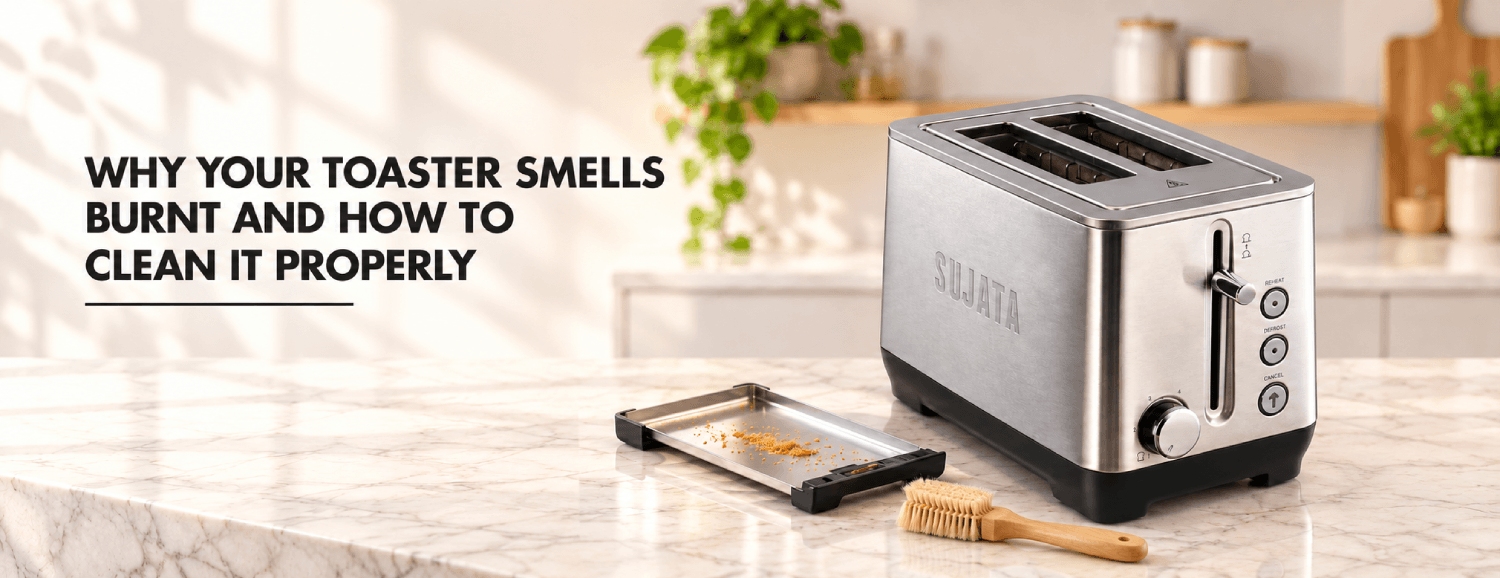
If your toaster has a removable crumb tray, take it out according to the manufacturer’s instructions. Dispose of the collected crumbs in a bin rather than washing them into the sink. Use a dry cloth or a soft brush to remove loose residue from the tray. If the manufacturer permits washing the tray, clean it separately and make sure it is completely dry before putting it back.
Step 3: Remove Loose Crumbs Carefully
With the toaster unplugged and fully cooled, gently remove accessible crumbs using a soft, dry brush, provided the manufacturer’s instructions allow it. Hold the toaster over a bin or suitable surface to collect loose particles. Avoid shaking it forcefully, striking it against a counter or turning it upside down if doing so could damage its internal parts.
Do not insert knives, forks, metal spoons or other sharp objects into the slots. These can damage the heating elements and create an electrical hazard. The goal is to remove loose crumbs without touching or bending the internal components.
Step 4: Clean the Exterior
Wipe the outside of the toaster with a soft, slightly damp cloth if permitted by the manufacturer. Keep moisture away from the slots, electrical connections, controls and other openings. For stainless-steel surfaces, use a suitable soft cloth and avoid abrasive scrubbers that could scratch the finish. Never immerse the toaster in water or pour liquid into it.
Step 5: Let Every Part Dry Completely
If you have cleaned a removable tray with water, allow it to dry completely before reinstalling it. Check that the toaster’s exterior is also dry and that no moisture has entered its openings. Reassemble the appliance only after all cleaned parts are dry and correctly positioned.
Step 6: Check Before Using It Again
Once cleaning is complete, inspect the toaster for visible damage, damaged cords, loose parts or other unusual signs. If the appliance appears damaged or the burnt smell persists, do not plug it in to test it. Arrange an inspection by an authorised service professional instead.
Common Toaster Cleaning Mistakes to Avoid
Knowing what not to do is just as important as understanding the correct cleaning process. Incorrect cleaning methods can damage your appliance or increase the risk of an electrical accident.
- Do not clean a plugged-in toaster: Always disconnect the appliance from the power supply before cleaning.
- Do not use metal utensils inside the slots: Knives and forks can damage the heating elements.
- Do not pour water into the toaster: Moisture can reach electrical components and create a safety hazard.
- Do not immerse the appliance: A toaster is an electrical appliance, not a water-safe kitchen utensil.
- Do not use abrasive cleaning tools: Rough scrubbers can damage exterior finishes and accessible parts.
- Do not ignore persistent burning smells: If cleaning does not resolve the smell, stop using the toaster and seek professional advice.
- Do not reinsert a wet crumb tray: Make sure removable parts are completely dry before putting them back.
Following these precautions makes toaster cleaning tips more effective while helping protect the appliance from avoidable damage.
How Often Should You Clean Your Toaster?
The ideal cleaning frequency depends on how often you use the toaster and the type of bread or food you prepare. A toaster used every morning may collect crumbs quickly, so checking the crumb tray frequently is a practical habit. If you notice a burnt smell, visible residue or an accumulation of crumbs, clean the appliance after unplugging it and allowing it to cool.
| Cleaning Task | Recommended Routine |
| Check and empty the crumb tray | Frequently, depending on use and crumb build-up |
| Remove accessible loose crumbs | During regular cleaning, following the manufacturer’s instructions |
| Wipe the exterior | As needed to remove dust, fingerprints and food marks |
| Inspect the cord and exterior for damage | Regularly, before use if you notice anything unusual |
| Arrange professional inspection | If there is persistent burning odour, smoke, sparking or other signs of a fault |
These are general maintenance guidelines rather than fixed schedules. Always follow the cleaning and care instructions supplied with your specific toaster.
How to Prevent a Burnt Smell in Your Toaster
A few everyday habits can help keep your toaster cleaner and reduce the chances of food residue burning during use.
Choose the Right Browning Setting
Start with a moderate browning setting and adjust it according to the type and thickness of the bread. Using a setting that is too high can char the bread and leave behind burnt fragments. If your toaster offers adjustable browning levels, use them to find a setting that suits your usual bread.
Empty the Crumb Tray Regularly
Do not wait until crumbs are visibly overflowing before cleaning the tray. Regularly removing collected crumbs reduces the amount of food residue exposed to heat. Make sure the toaster is unplugged and fully cooled before removing the tray.
Use the Toaster for Suitable Foods
A standard pop-up toaster is designed primarily for suitable slices of bread and similar products permitted by the manufacturer. Foods containing loose fillings, excess butter, cheese or sugary toppings can leave residue inside the appliance. Use alternative cooking methods for foods that may drip or spill into the toaster.
Keep the Appliance Dry
Avoid cleaning the toaster’s interior with water or spraying cleaning products into its slots. Keep the appliance away from splashes and ensure that any removable part cleaned separately is completely dry before reinstalling it.
Pay Attention to Unusual Smells
A mild food-related smell can sometimes occur during normal toasting, particularly when crumbs are present. However, a persistent burnt-plastic smell, smoke or sparking should never be treated as a routine cleaning issue. Stop using the appliance and seek professional inspection.
Explore Sujata Toasters for Everyday Use
Sujata offers toaster models with features designed to make everyday toasting convenient. The range includes options for different household needs, with browning controls and removable crumb trays that support easier cleaning and regular toaster maintenance.
| Sujata Toaster Model | Key Features | Cleaning Convenience |
| PT01 | 2-slice toaster, six-level browning control, defrost and reheat functions | Removable crumb tray helps collect crumbs for easier cleaning |
| PT11 | 2-slice toaster, seven browning shades, stainless-steel body | Removable crumb tray makes routine toaster cleaning more convenient |
| PT12 | 4-slice toaster, seven browning shades, stainless-steel body | Removable crumb tray helps make crumb removal easier |
Choosing a toaster with a removable crumb tray can make routine cleaning simpler. Empty the tray regularly, allow the appliance to cool completely before cleaning, and follow the manufacturer’s instructions to maintain safe use.
Explore the Sujata toaster range to find a model suited to your household’s toasting needs.
Conclusion
A burnt smell from a toaster often results from accumulated crumbs, overtoasted bread or food residue. Regular cleaning can help prevent these particles from building up and reduce unwanted odours during everyday use. Learning how to clean toaster inside safely involves unplugging the appliance, allowing it to cool, removing crumbs carefully, cleaning the crumb tray and keeping water away from the internal electrical components.
Good toaster maintenance also means recognising when cleaning is not enough. If the smell continues after the appliance has been cleaned, or if you notice smoke, sparks, unusual heat or a burning-plastic odour, stop using the toaster and seek professional inspection. With appropriate care and safe cleaning habits, you can keep your toaster cleaner and make everyday kitchen routines more convenient.
FAQs
1. Why does my toaster smell burnt even after I empty the crumb tray?
Crumbs or food residue may remain inside the toaster. Clean accessible areas safely, following the manufacturer’s instructions. If the smell persists, stop using it and seek professional inspection.
2. Can I use water to clean the inside of a toaster?
No. Never pour water into or immerse a toaster. Use a soft, dry brush for accessible crumbs and keep electrical components dry.
3. How often should I clean my pop-up toaster?
Check the crumb tray frequently and empty it whenever needed. Regular cleaning helps prevent crumbs from building up and causing burnt smells.
4. Is a burnt smell normal when using a new toaster?
A new toaster may produce a temporary odour during initial use. However, persistent burning smells, smoke or sparks require you to stop using the appliance and seek advice.
5. When should I repair or replace a burnt toaster?
Seek professional inspection if the smell continues after cleaning or you notice sparks, smoke, damaged wiring or unusual heat. Do not use a toaster that may have an electrical fault.