
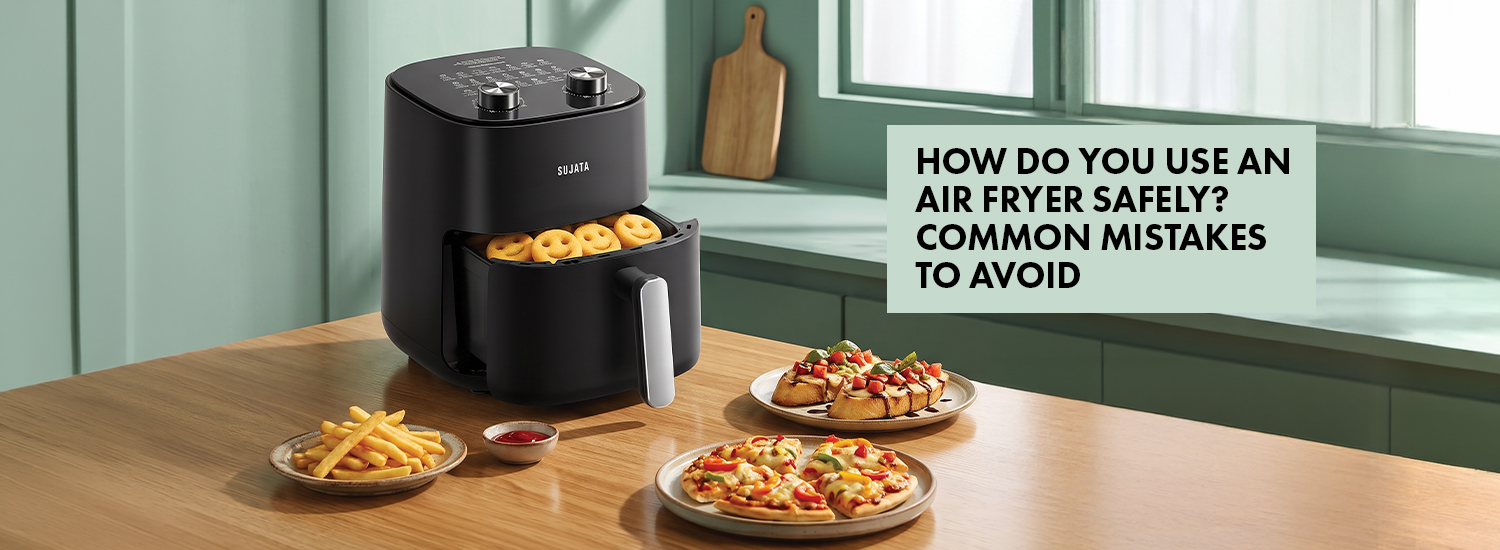
Air fryers have revolutionised modern kitchens, offering a healthier way to enjoy crispy, delicious food while minimising the use of oil. Since buying an air fryer is an investment in your health, you’ll want to use it with care and as effectively as possible. If you also want to know how to use an air fryer to get restaurant-quality results at home, you’re not the only one with all these questions. Many home cooks struggle with perfecting dishes, be it undercooked centres, soggy textures, or unevenly crisped food, not because the appliance is flawed, but because of avoidable mistakes.
The first step to correcting it is learning the way to use an air fryer to transform your cooking experience entirely. In this guide, we’ll walk you through six common errors that could be sabotaging your meals and show you how to fix them for perfect results every time.
Air Fryer Cooking Tips: Things One Must Keep in Mind While Cooking in an Air Fryer
Some tips help you to understand how an air fryer works. Unlike traditional deep frying, air fryers use rapid hot air circulation technology to cook food evenly from all sides. This method creates that golden, crispy exterior we all love while using significantly less oil. But you should check on the items once halfway to ensure that you toss or flip the items so that the bottom gets a crisp texture.
However, this unique cooking method means you can’t simply transfer your old frying habits to the air fryer. Find below some mistakes that could explain why you’re not getting the desired results and learn how to achieve consistently delicious outcomes.
Here Are 6 Mistakes to Avoid While Cooking in an Air Fryer
1. You’re Not Preheating It
One of the most overlooked steps in air fryer use is preheating. Many people assume they can toss food straight into a cold basket and expect perfect results. However, preheating your air fryer for 3-5 minutes before cooking ensures the hot air circulation begins at optimal temperature from the very first second.
When you skip preheating, food will start cooking as the environment gradually heats up. This leads to uneven results due to inconsistent cooking temperatures. The exterior crisps up, while the interior might remain undercooked. A powerful heating system will help to preheat it quickly and saves time while cooking.
2. Cooking Foods in It That You Shouldn’t
Not everything can be fried in an air fryer. Wet batters, leafy greens that can blow around, or foods that have high water content often don’t do well with this cooking method. Just cheese can melt through the basket, and overly saucy dishes may create a smoky mess.
Here are some foods that are ideal to use an air fryer for:
- Chicken wings
- Potato chips
- Fish Sticks
- Nachos
- Kebabs
- Baked treats like cookies or biscuits
You can stick to foods that benefit from dry, circulating heat, and you’ll maximise the potential of your appliance.
3. Overfilling the Basket
Perhaps the most common mistake when learning using an air fryer is overcrowding. It’s tempting to pile in as much food as possible, especially when cooking for the family. However, air fryers rely on hot air circulating around each piece of food. When items are stacked or overlapping, air can’t reach all surfaces, resulting in soggy spots and uneven cooking.
The solution? Cook in batches if necessary. If you frequently cook larger quantities, consider investing in an air fryer with generous capacity. An air fryer with a spacious basket allows you to cook more food in a single batch without compromising on air circulation or cooking quality.
4. Not Using the Right Amount of Oil
Here’s where many health-conscious cooks go wrong: using no oil at all. While an air fryer uses significantly less oil than traditional frying, a light coating helps to achieve a golden, crispy finish. Completely dry food often turns out pale and lacks the satisfying crunch you’re seeking.
A light brush or spray of oil, just a teaspoon or two, makes all the difference. This minimal amount is enough to promote browning and crispiness while keeping your meals healthier than deep-fried alternatives. Air fryers are specifically designed for healthier cooking with less oil, delivering crispy, delicious results without the guilt.
5. Not Flipping the Food in Between
Even the best air fryer can’t defy physics. While hot air circulates around your food, the side resting against the basket receives less direct airflow. Failing to flip or shake your food midway through cooking leads to one side being perfectly crisp while the other remains pale or soft.
Set a reminder to flip larger items like chicken breasts or fish fillets halfway through, or shake the basket for smaller items like fries or vegetables. This simple step ensures even browning and consistent texture throughout. Models with built-in viewing windows make it easy to monitor your food’s progress without interrupting the cooking cycle.
6. You’re Not Cleaning It Properly
Neglecting to clean your air fryer after each use isn’t just unhygienic; it affects performance. Built-up grease and food residue can smoke during cooking, impart off flavours to your food, and even reduce the appliance’s efficiency over time.
Proper maintenance is essential for longevity and food safety. Look for air fryers with removable, non-stick baskets that make cleaning quick and hassle-free. An added feature are easy-to-clean components, detachable tray ensures maintenance never becomes a chore. Clean the outside while you’re at it with a dry cloth for dust and a damp cloth for sticky stains. Stainless steel exteriors are the easy to wipe down and give a premium look.
Cook Smarter, Not Harder
Now that you know how to use an air fryer correctly, you’re equipped to avoid these common pitfalls and enjoy perfectly cooked meals every time. From preheating properly to choosing the right capacity for your needs, small adjustments yield significant improvements.
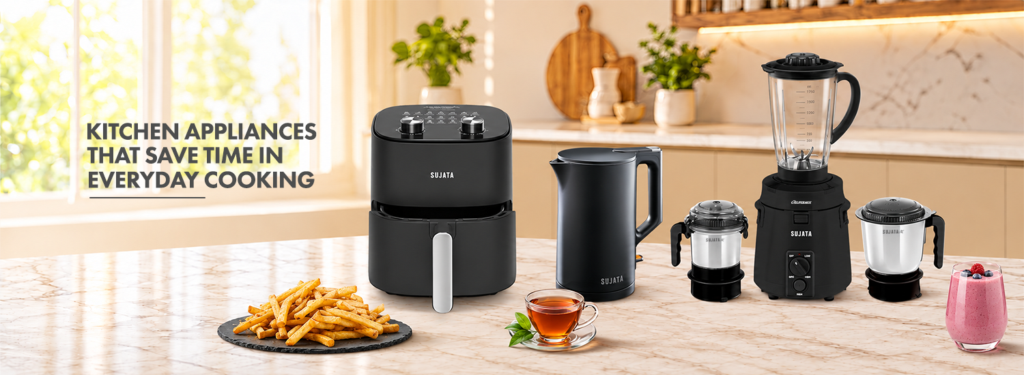
For those seeking the best air fryer experience, the Sujata Fryomatic range combines powerful heating performance, precision temperature control, family-sized capacity, and user-friendly features like auto shut-off timers and digital touch controls. Whether you’re frying, roasting, grilling, or baking, investing in quality appliances and using them correctly transforms everyday cooking into something truly exceptional.
FAQs
1. Can aluminium foil or baking paper be used in an air fryer?
Yes, aluminium foil or air-fryer-safe baking paper can be used if the manufacturer’s instructions allow it. Make sure the material does not block airflow or touch the heating element, and secure it under food to prevent it from moving.
2. How do I know when food is fully cooked in an air fryer?
Check the food’s texture, colour, and internal temperature where applicable. Use a food thermometer for meat and poultry, and follow recommended safe cooking temperatures rather than relying on appearance alone.
3. Why does my air fryer produce smoke while cooking?
Smoke can occur when grease or food residue builds up, or when fatty foods release excess oil. Clean the basket and tray after use, remove accumulated grease, and follow the recommended temperature settings.
4. How do I choose the right air fryer capacity for my family?
Consider the number of people you usually cook for, the portion sizes, and the counter space available. Sujata’s FRYOMATIC has a 5-litre capacity, while the FRYOMATIC PLUS offers a 6.4-litre capacity and digital touch controls, making it worth comparing their features against your cooking needs.