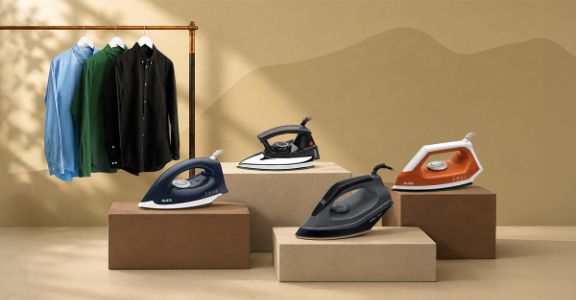

A well-ironed shirt, skirt, top, or dress can make everyday dressing feel more polished, apart from ironing to remove wrinkles. Using the wrong heat setting, pressing too hard, or ironing delicate fabrics can leave shine marks, burns, stretched fabric, or permanent damage.
Learning how to use a dry iron properly ensures to care for clothes better and get crisp results without ruining them. The best dry iron is simple, reliable, and effective when used with good technique. The key is to understand the fabric, set the correct temperature, and iron with patience, and a soleplate that glides smoothly makes all the difference to how forgiving that process feels. and a soleplate that glides smoothly makes all the difference to how forgiving that process feels.
Why Proper Ironing Matters
When ironing, you should know that every fabric reacts differently to heat. Cotton clothes can handle higher temperatures, while silk, polyester, nylon, and embellished fabrics need care. Some garments lose their shape when it is pulled, pressed too hard, or ironed when it is dry.
The best dry iron gives controlled heat and a smooth pressing surface, but the result depends on how you use it. Before ironing any garment, always check the care label. If the label says “Do not iron”, avoid ironing completely. If it recommends low heat, follow that instruction even if the fabric looks strong.
Heat Settings for Different Fabrics
The safest way to iron clothes is to begin with using low heat and increase the heat only if needed. This helps prevent scorching, shine marks, and fabric weakening. A non-stick soleplate helps here too, it lets the iron glide evenly across the fabric instead of dragging or catching, which matters most on delicate weaves.
| Fabric Type | Recommended Heat | Ironing Tip |
| Nylon, acrylic, polyester | Low heat | Iron inside out and avoid holding the iron in one place. |
| Silk, satin, delicate blends | Low heat | Use a thin cotton cloth between the iron and fabric. |
| Wool, rayon, viscose | Low to medium heat | Press gently; avoid dragging the iron. |
| Cotton | Medium to high heat | Slightly damp fabric irons better. |
| Linen | High heat | Iron while slightly damp for smoother results. |
| Denim, thick cotton | High heat | Use firm strokes but avoid overheating seams. |
A good clothes iron must heat up even lyon the surface, but fabric protection still depends on correct temperature use. When in doubt, test the iron on a small hidden area first, such as the inside seam.
How to Iron Shirts Properly
- Always start with the collar, as it sets the shirt’s shape.
- Iron from the edges toward the centre to avoid creases.
- Press cuffs before sleeves for a cleaner finish.
- Smooth the sleeve with your hand before ironing.
- Move the iron from shoulder to cuff in one direction.
- Work around buttons instead of pressing over them.
- Hang the shirt immediately to keep it wrinkle-free.
- Use a dry iron for crisp collars, cuffs, and plackets.
How to use a Dry Iron for Skirts, Tops, and Dresses
- Iron delicate outfits in small sections for better control.
- Set pleats properly before applying heat.
- Press pleats gently instead of dragging the iron.
- Turn printed or lace tops inside out first.
- Use a pressing cloth on embroidery, lace, or prints.
- Avoid direct heat on beads, plastic prints, and metallic work.
- Iron dresses from top to bottom for an even finish.
- Keep linings on low heat to avoid fabric damage.
Safety Precautions While Using a Dry Iron
Ironing involves heat, electricity, and close contact with fabric, so safety matters.
- Always place the iron on a stable ironing board or heat-resistant surface. This will avoid tipping and burning. A shockproof body adds a layer of everyday protection here, especially in busy households.
- Keep the cord away from the hot soleplate.
- Do not leave the iron face down on clothes, even for a few seconds. If you need to pause, stand it upright.
- Keep children away from the ironing area. Avoid ironing with wet hands or near open water.
- Once you finish, unplug the appliance and allow it to cool completely before storing it.
The best iron for clothes is not only about smooth results; it should also support safe, steady, and dependable use.
Common Ironing Mistakes to Avoid
- Do not iron stained clothes. Heat can set stains deeper into the fabric and make them harder to remove.
- Wash and dry the garment properly before ironing.
- Avoid using high heat for every fabric. This is one of the most common reasons clothes get damaged.
- Avoid pressing too hard, especially on wool, rayon, silk, and textured fabrics.
- Do not iron over zippers, hooks, plastic buttons, or decorative patches. These can melt, scratch the soleplate, or damage the garment.
When Should You Avoid Ironing?
Some clothes are better left unironed. Avoid ironing leather, suede, velvet, heavily embellished garments, delicate net, waterproof fabrics, and fabrics with heat-sensitive prints. Also, avoid ironing garments that are labelled “dry clean only” unless the care label specifically allows low-heat ironing.
A dry iron can be used on many fabrics when handled with care. For structured outfits, embroidered pieces, silk sarees, blazers, sherwanis, pleated occasion wear, and designer dresses, always check the care label first. Use a low heat setting, turn the garment inside out, and place a pressing cloth between the iron and fabric. For very heavy embellishments or delicate designer work, professional care may still be the better choice.
Why Choose a Reliable Dry Iron?
Daily ironing should feel be convenient, reliable, simple, and safe. Sujata Appliances is built around powerful engineering, robust construction, and consistent performance for Indian homes. When choosing the best dry iron, look for dependable heating, a smooth soleplate, comfortable handling, and durability that supports regular use.
A well-built appliance makes every day ironing easier, whether you are pressing office shirts, school uniforms, cotton kurtas, skirts, tops, or dresses. The best iron press is one that helps you care for clothes properly without making the task complicated.
Conclusion
Using the best dry iron properly starts with one rule: match the heat to the fabric. Check the care label, begin with low heat, use a pressing cloth for delicate materials, and avoid ironing clothes that are stained, embellished, or marked “do not iron.”
With the right technique and a reliable dry iron, you can keep shirts crisp, dresses smooth, skirts neat, and everyday clothes looking fresh without damaging the fabric.